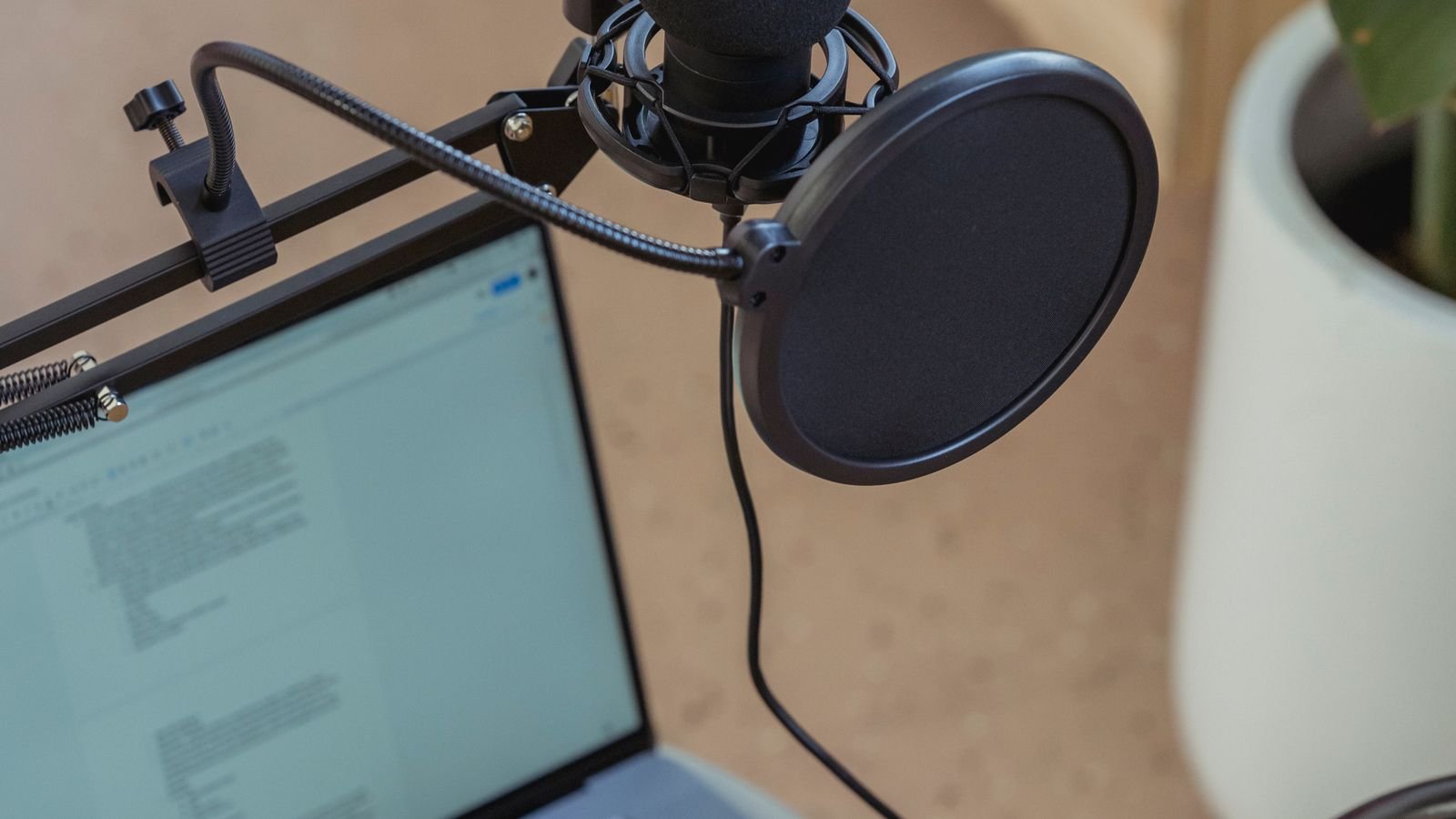
A viewer types her divorce facts into your live chat and asks what she should do. Your attorney has seconds to answer, on camera, with hundreds of strangers watching. That moment is the whole risk of a law firm YouTube live Q&A, and it is also the reason the format works. People trust a lawyer they have watched think out loud.
So yes, a monthly live show can help your firm. It can bring warm calls from people who already know your attorney’s voice. It can also create a prospective client you never meant to have, or a statement your state bar would call misleading. The difference is preparation. This guide covers the format, the words your attorney says on air, how to move specific questions to a consult, and how to moderate chat so the show stays general.
Why a live show earns trust that recorded video does not
Recorded video is polished. Live video is proof. When an attorney answers an unscripted question about a custody exchange or a denied workers’ comp claim, viewers see judgment, not editing. That is hard to fake, and prospects know it.
Live also gives you a reason to show up on a schedule. A recurring slot, the same evening each month, trains an audience to come back. Each show becomes a replay on your channel, and each replay can be cut into short clips. One evening of the attorney’s time feeds a month of posts.
It belongs inside a wider plan, not on its own. Our law firm social media service treats a live show as one channel among several, measured by the inquiries it produces rather than by views.
What YouTube requires before you can go live
Check eligibility weeks before your first show, not the afternoon of it. YouTube’s own getting started with live streaming help page says the channel needs to complete verification and have no live streaming restrictions in the past 90 days. It also lists the ways to stream: from a phone, from a computer with a webcam, or through encoder software that handles overlays and external mics and cameras.
For a law firm, the webcam or encoder route usually wins. An encoder lets you show a lower third with the attorney’s name and the firm’s name, and a standing on-screen line that says the show is general information. That line does work a spoken disclaimer cannot, because late joiners see it too.
Do a private test stream first. Check the audio, the lighting on the attorney’s face, and whether the chat shows up for the moderator. A muffled first episode is the fastest way to lose the audience you just invited.
Where the real legal risk sits in a law firm YouTube live Q&A
The risk is not that your attorney says something wrong about the law. The risk is that a viewer becomes a prospective client in public. Nevada’s Rule 1.18 says a person who consults with a lawyer about the possibility of forming a client-lawyer relationship with respect to a matter is a prospective client. Even when no relationship follows, the rule bars the lawyer from using or revealing information learned from that person, except as Rule 1.9 would allow for a former client.
The rule goes further. Under Rule 1.18(c), a lawyer who received information that could be significantly harmful to that person may be blocked from representing someone with materially adverse interests in the same or a substantially related matter. That bar can extend to everyone in the firm unless the exceptions in paragraph (d), such as written informed consent or timely screening, apply.
Picture the family law version. A viewer describes her husband’s hidden accounts in chat and the attorney responds to the specifics. Next week the husband calls your office to hire you. Whether that chat exchange counted as a consultation is a fact question for your own ethics counsel, and every state words Rule 1.18 a little differently. Read your own state’s text before the first show. The safer design is to build a show where chat never turns into a consultation in the first place.
What format keeps answers general
Strong live Q and A shows are not open mic nights. They are built around a topic, and the topic does most of the protective work. “What happens at a first DUI arraignment in Clark County” invites general questions. “Ask me anything” invites people to type their case.
A format that works for most practice areas looks like this:
- An opening segment where the attorney explains the topic in plain terms, before chat opens up.
- Pre-submitted questions, collected by email or form during the week and rewritten by staff into general hypotheticals.
- A short window for live chat questions, filtered by a moderator before the attorney sees them.
- A closing segment that repeats how to reach the office for a private consult.
Rewriting questions as hypotheticals matters. “A driver hit me in a parking lot and the store says it is not their problem” becomes “who can be responsible for a parking lot crash.” The attorney answers the second question. The viewer still learns what she needed, and nobody has handed over facts on a public stream.
This is where live differs from the recorded formats covered in our piece on thought leadership and podcasts for attorney authority. A podcast gets edited before anyone hears it. A live show gets one take, so the structure has to carry the safety.
What should the attorney say on air
Spoken disclaimers land better when they sound like the attorney, not like a contract. Write them once, have the attorney approve them, and put them on the run sheet so they are said the same way every show.
Three moments need a line:
- At the open. “This is general information about how the law works. It is not advice about your situation, and watching or commenting does not make you our client.”
- Every time chat gets specific. “Please do not put details of your own case in the chat. It is public, and I cannot give you a real answer without hearing the whole story privately.”
- At the close. A plain repeat of the first line, plus the office phone number and the contact page.
The redirect line is the one your attorney will use most. Practice it until it sounds kind. Viewers who get shut down coldly leave. Viewers who hear “that is exactly the kind of question we should talk about privately, call the office tomorrow” often do call.
Keep the content itself truthful and complete. Nevada’s Rule 7.1 bars false or misleading communications about a lawyer’s services, including statements that omit a fact needed to keep them from misleading. On a live show, that mostly means no promises about outcomes and no hints about how much a type of case is worth.
How to moderate the chat
A moderator is not optional. Your attorney cannot answer questions, watch the clock and read every comment at once. Assign one staff member, ideally someone from intake, to run the chat for the whole show.
The moderator’s job has four parts:
- Hide or remove comments that describe a specific person’s case, then post a pinned reply pointing them to the office.
- Pass the attorney only questions that can be answered in general terms.
- Remove spam, insults and anything naming a current or former client.
- Note every viewer who asks for help, so intake can look for their call the next day.
Set the channel’s chat rules in writing and pin them at the top of the chat. YouTube Studio lets you add moderators and filter certain words before the show starts. Build a list of words that tend to signal specifics in your practice area, like case numbers, court names or a party’s name, and review it after each show.
Never let the attorney or the moderator ask a viewer for more detail in chat. The instinct to be helpful is exactly what turns a comment into a consultation.
What goes on the run sheet the attorney approves
Proof by process beats good intentions. Every show should have a one-page run sheet that the responsible attorney reads and approves before going live. Ours includes:
- The topic and the practice area, with the jurisdiction named, such as Nevada law only.
- The approved opening, redirect and closing lines, word for word.
- The pre-submitted questions, already rewritten as hypotheticals.
- Topics that are off limits: pending firm cases, opposing parties, judges by name, fee amounts and results.
- The moderator’s name, the blocked word list and the pinned chat message.
- The contact link and phone number that appear in the description and on screen.
- Post-show steps: who reviews the replay, what gets cut before it stays public, and which clips go to other channels.
The replay review matters. If the attorney misspoke, or a viewer’s name appeared in a comment that made it on screen, you can trim it before the replay keeps circulating. Treat the replay as a published ad, because it is one.
How a live show turns into signed cases
Views are a means, not the goal. The goal is a person who watched on Thursday and calls on Friday, then signs. That only happens if the path from the stream to your intake team is short and tracked.
Put a tracked link in the video description that goes to a landing page about the show’s topic. Give intake a question to ask every new caller about how they found the firm, with “YouTube live” as an option. Match those calls against the moderator’s list of viewers who asked for help. After a few shows, you will know whether the format produces inquiries that turn into signed cases or just friendly comments.
The replay keeps working after the stream ends. Add chapters for each question, a clear title and a written summary. Our guide to attorney video and YouTube SEO covers how titles, chapters and descriptions help a replay surface when someone searches the same question months later.
Should your firm do it
A monthly live Q and A fits firms whose clients arrive confused and scared. Immigration, family law, workers’ comp, bankruptcy and personal injury all have audiences with the same handful of questions. Those questions answer well in general terms.
Be more careful when your caseload makes conflicts likely. A criminal defense firm in a small market may get viewers connected to active cases. A business law firm may hear from someone on the other side of a deal it is working on. Those firms can still go live, but with pre-submitted questions only and no open chat questions.
Skip it if no attorney will commit to the schedule. A show that runs twice and stops tells viewers the firm loses interest. A recorded monthly video is a better fit for a firm that cannot promise the time.
If you want help deciding whether a live show belongs in your plan, and building the run sheet, moderation rules and tracking around it, book a free 30-minute strategy call with our team. We will tell you plainly whether live video is worth your attorney’s evening, or whether another channel will bring signed cases faster.